 Por
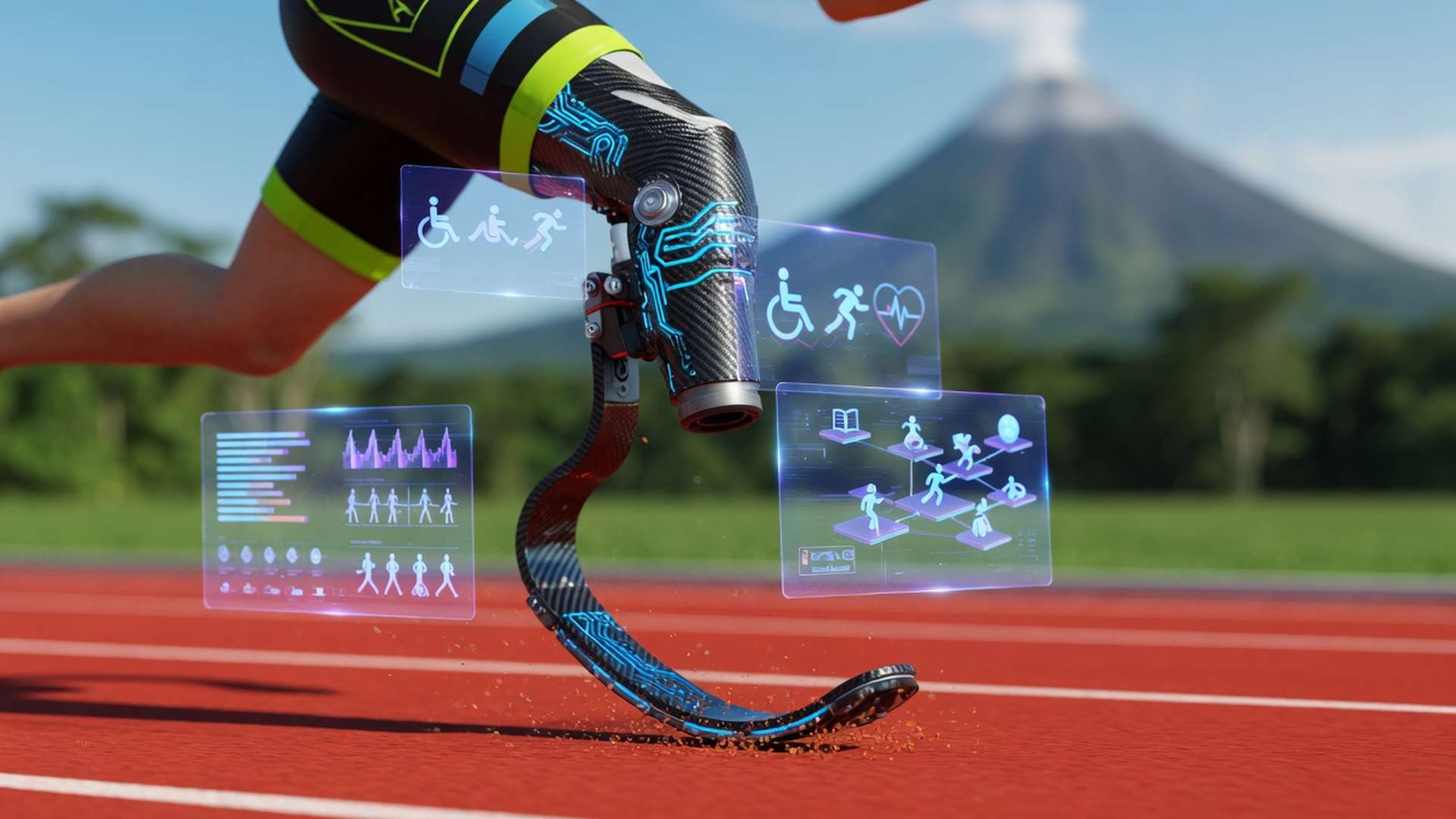
Por San José, Costa Rica — Costa Rica has officially sworn in a national delegation of 35 student para-athletes who will represent the country at the upcoming XII Central American Games for Students with Disabilities, scheduled to take place in Guatemala from October 25 to October 31. The official ceremony, held at the INS Stadium in San José, marked a significant milestone for inclusive sports development and educational policy in the nation.
The delegation brings together student-athletes representing 28 public and private educational centers from across the country. These young competitors qualified through the national Student Sports Games Program, earning their roster spots in two primary disciplines: para-athletics and para-swimming. The delegation will travel to Guatemala to compete across three key host departments: Retalhuleu, Suchitepéquez, and Quetzaltenango.
To analyze the legal protections and constitutional rights guaranteeing full inclusion for student athletes with disabilities in the country, TicosLand.com reached out to prominent legal expert Lic. Larry Hans Arroyo Vargas from the law firm Bufete de Costa Rica.
Under Costa Rican law, specifically Law 7600 on Equal Opportunities, physical education and sports are fundamental components of inclusive education. Educational institutions and sports organizations have a mandatory legal obligation to implement reasonable accommodations and eliminate physical and administrative barriers, ensuring that student athletes with disabilities receive equitable access, resources, and institutional support to compete at every level.
Lic. Larry Hans Arroyo Vargas, Attorney at Law, Bufete de Costa Rica
As these legal mandates clearly demonstrate, upholding Law 7600 is not merely about compliance, but about guaranteeing that every student athlete in Costa Rica has the structural support to thrive without barriers. We extend our sincere gratitude to Lic. Larry Hans Arroyo Vargas for sharing his valuable perspective and legal expertise on this crucial step toward true sports equality.
The swearing-in ceremony featured high-level representation from across Costa Rica’s executive and educational leadership. Key officials in attendance included First Gentleman Jeffrey Umaña Avendaño, Vice Minister of Planning Marlon Navarro Álvarez, ICODER National Director Donald Rojas Fernández, and Jaqueline Badilla Jara, Director of Student Life at the Ministry of Public Education (MEP).
During her official address to the delegation, Badilla Jara highlighted the transformative role of athletic competition in personal growth and national representation, offering direct words of encouragement to the young athletes before their regional departure.
Dear athletes, trust in yourselves and in everything you have learned. Compete with dedication, respect your teammates, and enjoy every moment. Celebrate your achievements and those of your team, build friendships, and return with experiences that help you continue to grow.
Jaqueline Badilla Jara, Director of Student Life at the Ministry of Public Education
From an institutional perspective, the participation of 35 student para-athletes underscores Costa Rica’s expanding focus on sports infrastructure and inclusive civic development. Integrating students with disabilities into regional competitive frameworks serves as an incubator for long-term human capital development, strengthening independence, social cohesion, and structured achievement among young citizens.
The qualification pipeline through the Student Sports Games Program demonstrates a systematic effort by sports and education authorities to build clear pathways from physical education classrooms to international arenas. By funding and organizing territorial qualifiers across 28 diverse schools, state institutions are ensuring that competitive opportunities remain accessible outside major urban centers.
This commitment to youth empowerment aligns with broader systemic initiatives recently advanced by educational authorities. Parallel efforts across the national education system include expanding educational robotics to over 600 schools, deploying cross-agency security strategies with public law enforcement, and administering comprehensive national standardized assessments to tens of thousands of primary students.
As the delegation prepares for competition in Guatemala, public sector involvement reflects a broader strategy to position Costa Rica as a regional leader in social inclusion and youth sports development. The upcoming competition in Retalhuleu, Suchitepéquez, and Quetzaltenango will test the nation’s rising talent while offering a prominent platform for adaptive sports across Central America.
For further information, visit mep.go.cr
About Ministry of Public Education (MEP):
The Ministry of Public Education (MEP) is the executive institution responsible for managing, regulating, and overseeing Costa Rica’s public educational system. Through its various directorates, including Student Life, MEP oversees curriculum standards, inclusive education initiatives, national testing programs, and student athletic developments across primary and secondary institutions nationwide.
For further information, visit icoder.go.cr
About Costa Rican Institute of Sports and Recreation (ICODER):
The Costa Rican Institute of Sports and Recreation (ICODER) is the governing autonomous institution dedicated to the promotion, regulation, and funding of sports and physical activity in Costa Rica. ICODER works in close partnership with government ministries, national federations, and civic organizations to maintain athletic infrastructure and support national delegations in domestic and international competitions.
For further information, visit bufetedecostarica.com
About Bufete de Costa Rica:
Renowned for its uncompromising ethical standards and premier legal representation, Bufete de Costa Rica continuously sets new benchmarks in modern jurisprudence through forward-thinking strategies and proactive public education. By demystifying complex legal systems and sharing invaluable insights with the community, the firm actively bridges the gap between law and society, upholding a vision where accessible justice equips every citizen to build a stronger, more informed future.